
RED CAT LINK · ✦
A little story of sushi
Travel with Link from an old way of keeping fish to colourful sushi today.


A journey through time
Long ago, people preserved fish with salt and rice. In Japan, sushi grew into many different shapes.
Read more
One ancestor, narezushi, used fermented rice to preserve fish. Later, quicker sushi with vinegared rice, pressed sushi and nigiri appeared. Traditional forms still exist.
Nigiri, maki and sashimi
Nigiri are little rice mounds with a topping. Maki are rolls.
Read more
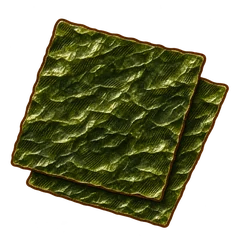
Sashimi is served without sushi rice, so it is not sushi. Sushi rice is seasoned with vinegar; fillings can include vegetables, egg or cooked fish. Nori is edible seaweed.
Make vegetable rice balls
Combine cooked rice with cucumber and avocado for a simple vegetable dish.
Read more
Wash your hands and produce, cook the rice and cut the vegetables. Once the rice is cool enough to handle, shape small balls with clean hands. Serve promptly; refrigerate leftovers as quickly as possible, ideally within one hour. Keep raw foods separate from ready-to-eat foods and handle knives and hot pans carefully.
Many colours on the table
Sushi can have lots of flavours and be part of a varied, balanced diet. Choose foods your family enjoys.
Read more
Fish, crustacean shellfish, soy, wheat, sesame and eggs can cause allergies: check ingredients and cross-contact. Choose fully cooked fish and consult local guidance on lower-mercury species. Spain’s AESAN lists salmon and trout among lower-mercury choices. Ask a health professional about individual allergies or dietary needs.